
Rider Guides
Notes for slower motorcycle training requests
The Moto Academy rider guides are a space for reflective planning, request preparation, category selection, and practical ideas for motorcycle training conversations. They are written to slow the request down, not to confirm a lesson.
Notes are written for visitors who prefer a slower read before they send a training request. The tone stays practical, clear, and free of promised results or quick-fix language. There are no invented reviews and no statements about guaranteed licences, exam outcomes, or specific course durations for every option.
Use the featured note, recent topics, and editorial principles below to decide what to explore next on the site, then open the contact form when you are ready to discuss motorcycle training in writing.
Preferred details mentioned after reading the notes still remain requests until separately confirmed.

Featured note
How to prepare a clearer training request
A useful enquiry begins before you write: clarify the motorcycle training category you want to discuss, leave enough detail around riding experience, and avoid treating the form as an automatic lesson confirmation. Name the training type and the conversation you are considering, even if you are still comparing two paths.
Consider what kind of training focus you want to discuss, how previous riding experience should be described, and which beginner, handling, or safety notes belong in your enquiry. These questions can help the first reply stay practical without inventing a fixed lesson plan for every rider.
Moto Academy reviews training requests in writing. Submitting a form does not confirm a lesson, which keeps planning calm and realistic from the first message.
Recent notes
Short reading prompts for choosing a training path, describing riding experience clearly, and preparing an enquiry that Moto Academy can review usefully.
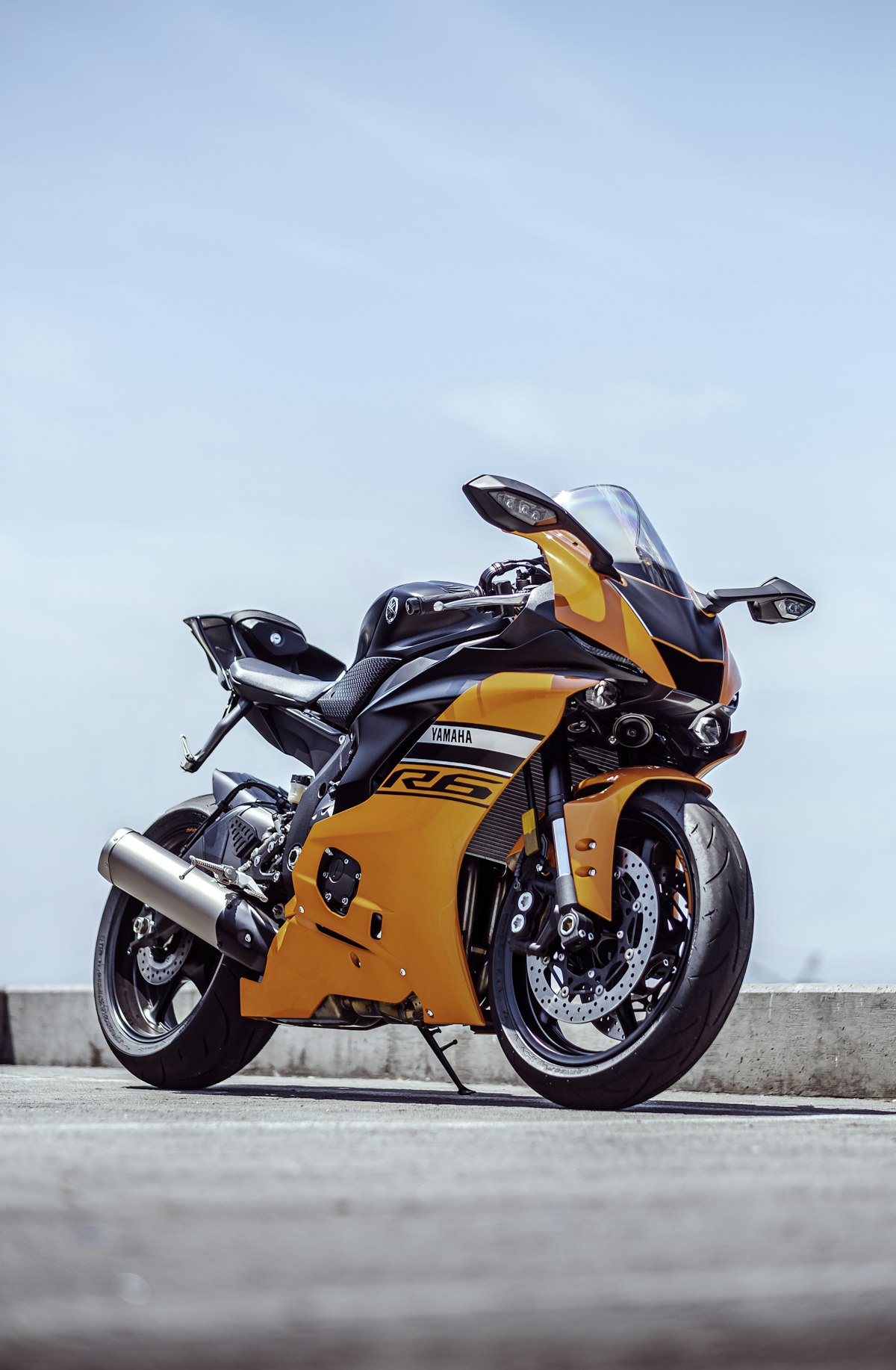
Choosing a training option
A practical note on exploring beginner riding, handling, and riding-skills preferences.
Compare how each path is described on the Courses page, then name your preference in the training request without needing a final decision on every detail.
Read note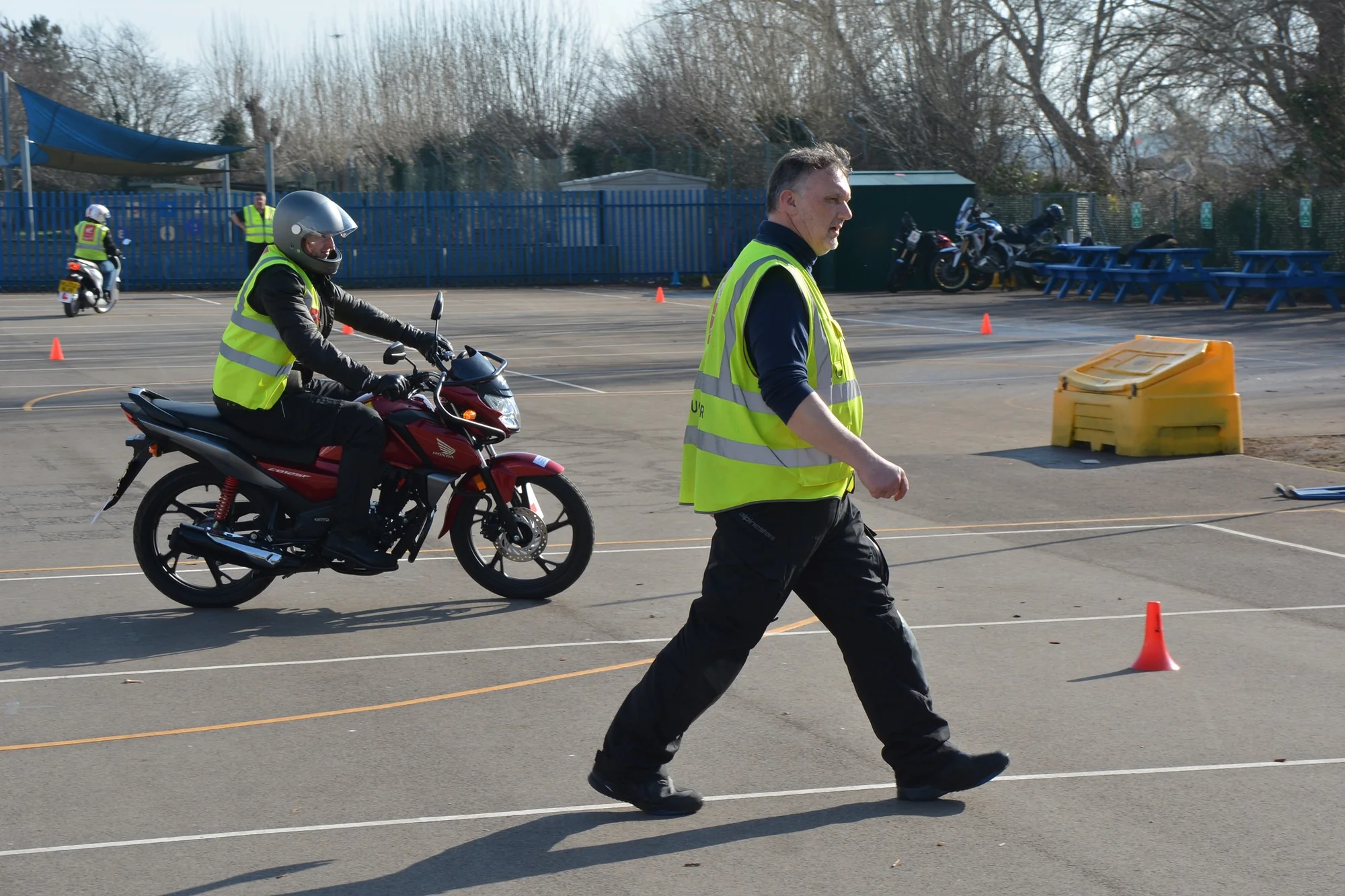
Understanding motorcycle controls
Why a training request can feel more useful when riding-experience notes are described clearly.
Naming the training category and the type of practice conversation you want to discuss helps keep the first reply practical and supports the slower planning rhythm Moto Academy aims to maintain.
Read note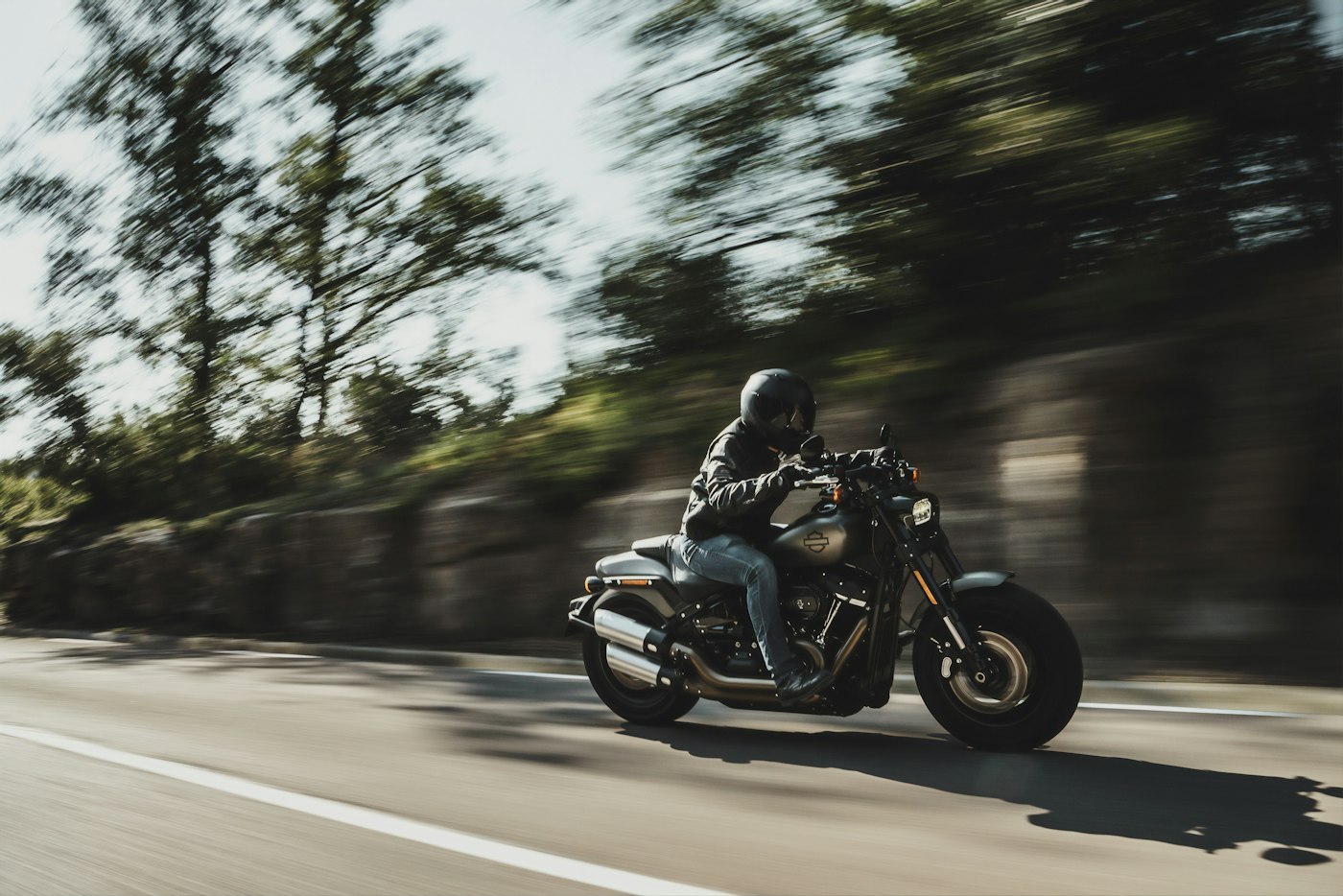
Planning your training enquiry
What to consider before sending a motorcycle training request.
Gather training interest, riding-experience notes, and any safety questions first. Preferred details remain requests until separately confirmed by Moto Academy.
Read noteEditorial principles
These principles guide how the rider guides are written so readers can trust the tone and the boundaries of the content.
- No exaggerated riding outcomes or official-licence language. Experience notes stay measured and practical.
- No invented reviews, awards, or student stories. Descriptions refer to training planning and motorcycle categories only.
- Information-led writing that separates independent motorcycle training from official licensing programmes and does not replace a confirmed training conversation.