About
Motorcycle training with measured language
Moto Academy is built as a training-led experience: fewer claims, clearer planning, and more attention to the practical rhythm of a training request. The school is presented independently as Moto Academy, a motorcycle riding school, not as an official partner of a government licensing authority, motorcycle manufacturer, dealership, racing organisation, or insurance company.
The site presents motorcycle training as organised categories with clear planning language. Visitors can explore options, prepare a request, and send a written inquiry without pressure for automatic confirmation. Beginner, skills, and safety routes all use that same written model.
Pages across the site are written to support those decisions calmly: training fit, riding-experience notes, and enquiry detail that keeps the first reply useful. There are no invented staff profiles, no student reviews created for this site, and no certificates displayed without confirmation.
Moto Academy correspondence uses +27 21 933 5211, [email protected], and 5 Voortrekker Rd, Boston, Cape Town, 7530, South Africa. Those details sit alongside the training request form.
School idea
Why Moto Academy keeps the process written
Moto Academy is shaped around motorcycle riding lessons, training information, and written planning. Rather than presenting training as a promised result, the site frames options as a training conversation: described categories, thoughtful experience notes, and a clear enquiry before any lesson arrangement is discussed.
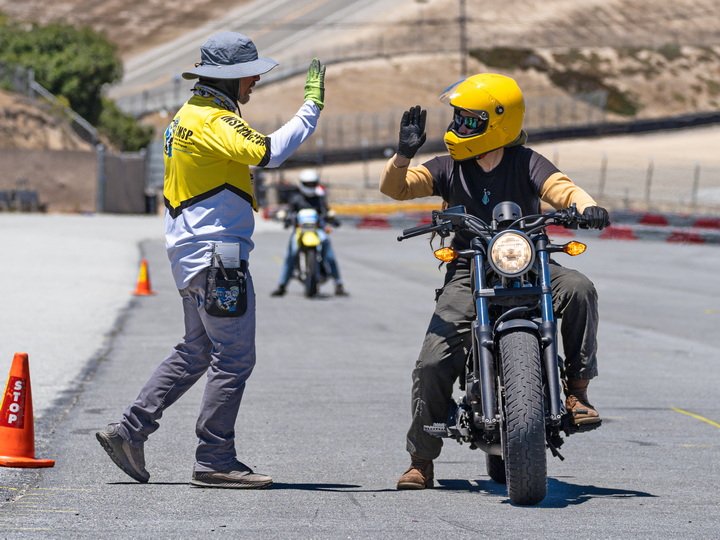
That approach keeps expectations grounded. Training copy describes motorcycle categories, riding skills, and request rhythm instead of inventing outcomes, instructor profiles, or official partnership stories. Photographs on the site are illustrative of motorcycle training and riding practice and are not presented as official manufacturer academies or endorsements.
Visitors who prefer measured language can move from About into Training, Riding Skills, or Rider Guides, then open the training request when they are ready to discuss details in writing. The inquiry remains a request until Moto Academy confirms next steps separately.
If a request sits outside motorcycle training information, the written reply can say so. This website does not use official-school language as a substitute for a confirmed training conversation.
Our Approach
Three ideas guide how Moto Academy communicates and how training requests are handled. They apply to the website copy and to the request form, not to invented quality scores or guarantees.
Clarity first
Training requests are reviewed in writing so the conversation can stay clear and measured.
Preferred details remain requests until separately confirmed, and availability is checked before a training conversation continues. A form submission is not a held lesson.
Information over claims
Training copy avoids unsupported licence claims, official-school positioning, or dramatic transformation language.
Descriptions stay focused on motorcycle training categories, riding-skill notes, and practical planning for a clearer enquiry.
Training fit
Visitors are guided toward the training option and riding-skill focus that best match their request.
Beginner riding, motorcycle handling, and motorcycle safety all use the same written review model before any follow-up conversation continues.
Designed for slower decisions
Every page is written to support practical decisions: which training option fits, what to include in an enquiry, how to prepare a request, and how training requests are reviewed. The goal is a useful first reply, not a rushed confirmation click.
The goal is not to rush a booking click. It is to help visitors gather enough detail for a clear inquiry and a calm reply from Moto Academy.
If you already know the training path you want to discuss, the contact form is the next step. If you are still comparing categories, begin with Riding Skills or Courses. Either route can still be refined later in writing.